How to Select a Headstone That Fits Cemetery Rules
June 22, 2026 • Clear Stream Monuments • 8 min read
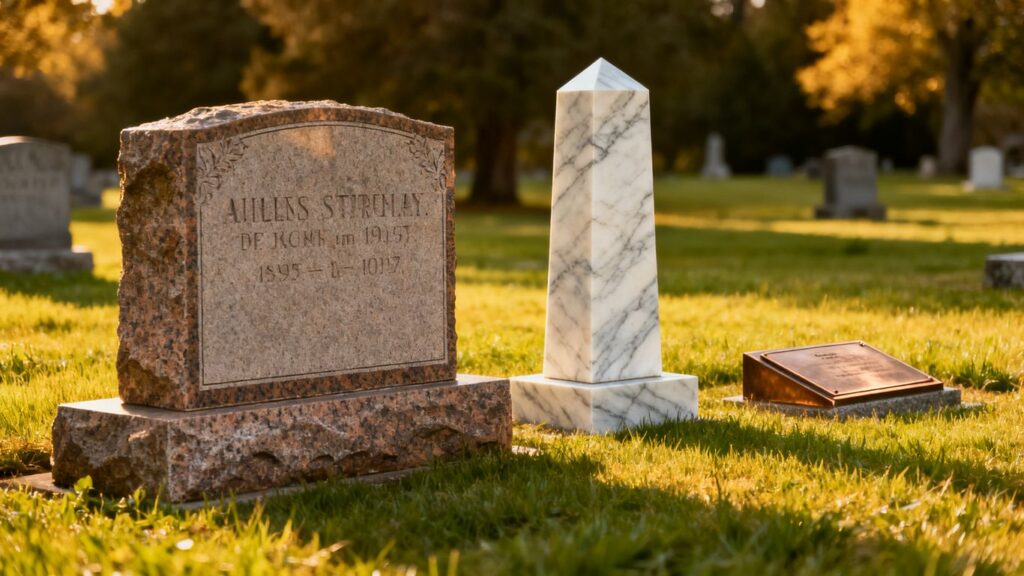
Choosing a headstone can be confusing, especially with so many rules. Here are a few points to remember as you start the process:
Key Takeaways
- Always check the cemetery’s headstone rules before making any decisions.
- Pick materials and designs that are allowed by the cemetery and will last a long time.
- Get a final proof and double-check all details before the stone is made.
Understanding Cemetery Headstone Requirements
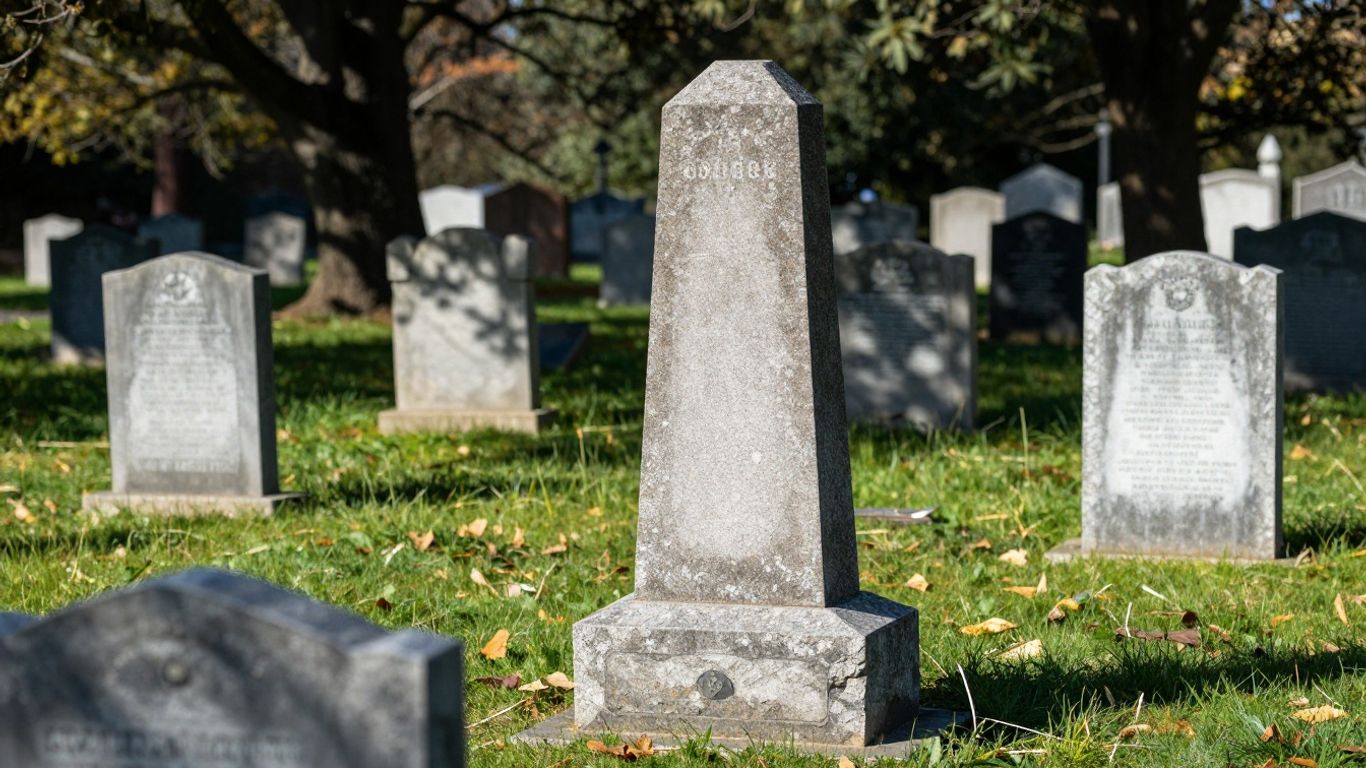
When you’re thinking about a memorial, it’s easy to get caught up in the design and what feels right to honor your loved one. But before you fall in love with a specific style or material, there’s a really important step: checking the cemetery’s rules. Every cemetery has its own set of regulations, and sometimes, even different sections within the same cemetery can have different requirements. Ignoring these rules upfront can lead to a lot of heartache and wasted money later on.
Navigating Local Cemetery Regulations
Think of cemetery regulations as the guidelines for creating a lasting tribute. These rules are in place to maintain a consistent look and feel throughout the grounds, and also to ensure the safety and longevity of the memorials. It’s always best to get these rules in writing directly from the cemetery office. This way, you have a clear reference and can avoid any misunderstandings. They’ll usually have a document outlining everything you need to know, from what types of memorials are allowed to specific size and material constraints.
- Memorial Type: Cemeteries often specify whether upright headstones, flat markers, bevel markers, or bronze plaques are permitted. Some sections might only allow flush-to-the-ground markers to make mowing easier.
- Size and Dimensions: There are usually strict limits on the height, width, and thickness of the headstone, as well as the size of its base. This is important because a stone that’s too big simply won’t be allowed.
- Material and Color: Some cemeteries restrict the type of stone, often favoring granite or bronze. There might also be limitations on granite colors, with certain sections perhaps only allowing gray or black.
- Foundation Requirements: Cemeteries typically mandate a specific type of foundation or base for the headstone to ensure stability and prevent sinking. This can affect the overall cost and installation process.
- Installation Procedures: You’ll need to know who is permitted to install the memorial. Some cemeteries require you to use their approved installers or contractors.
It’s really common for families to be surprised by the details in cemetery rules. Things like vase placement, the size of lettering, or even specific religious symbols might have restrictions. Getting the written rules first is the best way to make sure your chosen memorial can actually be placed.
Key Restrictions to Consider
When you’re looking at the cemetery’s regulations, pay close attention to a few key areas that often cause issues. These are the details that can make or break your memorial selection. Don’t hesitate to ask questions; the cemetery staff are there to help you through this process. Understanding these points early on will save you a lot of trouble down the line and help you create a fitting tribute. You can find more information on choosing a memorial that celebrates a life.
Here’s a quick rundown of common restrictions:
- Upright vs. Flush Markers: This is a big one. Some cemeteries, especially newer memorial parks, only allow flat markers that sit level with the ground. Older cemeteries or specific sections might permit upright monuments.
- Granite Color Limitations: While granite is popular for its durability, certain colors might be prohibited in specific areas to maintain a uniform appearance.
- Base and Foundation Specs: The size and type of the foundation are critical. A proper base prevents the headstone from tilting or sinking over time, and cemeteries have specific requirements for this.
- Artwork and Engravings: While you might want a special image or quote, cemeteries sometimes have rules about the size, type, and placement of artwork or inscriptions. This is to ensure the overall aesthetic of the cemetery is maintained.
Always confirm the cemetery’s specific rules before you commit to a design or make any payments. This simple step can prevent a lot of potential problems and ensure your chosen memorial can be placed without issue. For example, a beautiful granite memorial like the Angel Heart with Flowers Headstone might be perfect, but you need to ensure it fits within the cemetery’s guidelines.
Selecting a Headstone That Complies
Choosing Approved Memorial Types
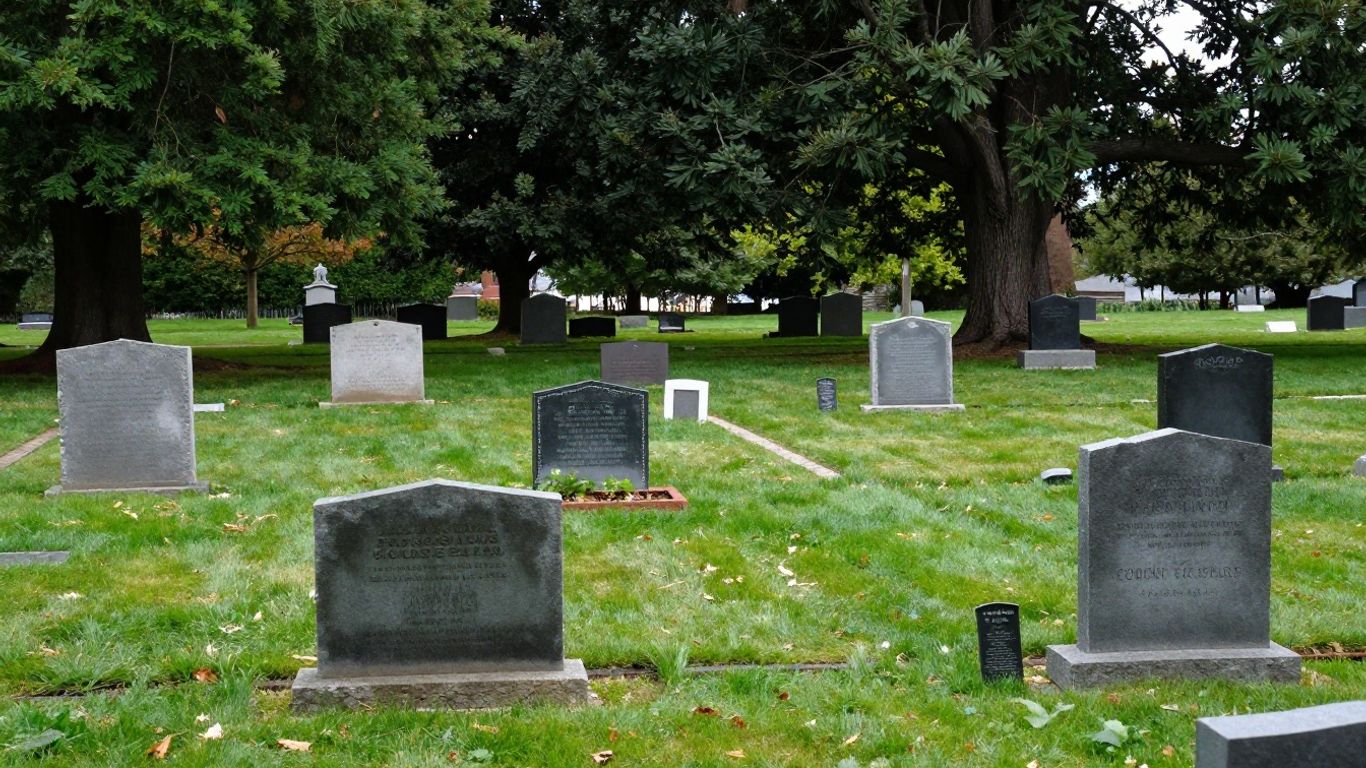
So, you’ve got a handle on the cemetery’s rules. That’s the first big step. Now, let’s talk about the actual marker. Cemeteries often have specific types of memorials they allow, and it really depends on the section of the cemetery where your loved one is laid to rest. Some areas might be fine with a classic upright monument, while others, especially newer sections or those set aside for cremation, might only permit flat markers that sit flush with the ground. It’s not just about looks; these rules help maintain a uniform appearance and can affect lawn care. Always double-check what’s permitted for that specific plot. For instance, if you’re looking at a cremation garden, you might find options like memorial benches, smaller flat markers, or private columbarium memorials designed to fit the space, where the cemetery allows them. We can help you sort through these options to find something that fits the plot and your vision.
Material and Design Compliance
Once you know the type of memorial allowed, you’ll want to pick a material and design that fits within the cemetery’s guidelines. Granite is a popular choice around here because it’s tough, lasts forever, and comes in a bunch of colors. But, some cemeteries might limit the color palette – maybe they only allow grays or specific earth tones. Bronze markers are another option, often used for flat markers, and they have their own set of rules regarding size and placement — our guide to bronze grave markers covers individual and companion bronze styles and cost factors, though cemetery-specific rules always take priority. When it comes to design, think about the inscription. Keep it clear and easy to read. Cemeteries often have rules about the size of the letters and what kind of symbols or artwork, if any, are allowed. Some places are pretty strict about religious symbols or even the depth of the engraving. It’s always best to get a written list of these restrictions from the cemetery before you start designing. This saves a lot of heartache later on. We work closely with local cemeteries to stay up-to-date on their requirements, so we can guide you through the process smoothly — our guide to buying memorials in Alpharetta, GA walks through what that looks like in one specific market. Since these rules vary by cemetery, always request written details directly from your cemetery’s office before finalizing a design.
Remember, the goal is to create a beautiful, lasting tribute that honors your loved one and also meets all the necessary cemetery requirements. Getting this right from the start means less stress down the road and a memorial you can be proud of for generations.
When picking out a headstone, it’s important to make sure it fits the rules for the cemetery. We can help you find a beautiful and fitting memorial that follows all the guidelines. Visit our website to see how we can help you choose the perfect headstone.
Conclusion
Picking a headstone that fits cemetery headstone requirements doesn’t have to be overwhelming. If you’re planning a shared marker for two people, see our companion headstone rules guide for plot-specific guidance. Start by getting the cemetery’s written rules, then choose a headstone type, material, and design that fits those guidelines. Take your time with each step, ask questions, and double-check everything before you order. This way, you’ll avoid surprises and make sure your loved one’s memorial is just right.
Frequently Asked Questions
Why do cemeteries have so many headstone rules?
Cemeteries want to keep the grounds looking neat and safe. Rules help make sure all headstones fit together and don’t cause problems for mowing or other work.
Can I use any type of stone for a headstone?
Not always. Most cemeteries only let you use certain types, like granite or bronze, because they last longer and are easier to care for. Always ask for their approved list first.
What happens if my headstone doesn’t meet the cemetery’s requirements?
If it doesn’t follow the rules, the cemetery might not let you install it. This could mean extra costs or having to order a new one, so it’s important to check the rules first.