How to Choose a Headstone That Reflects Personality
July 13, 2026 • Clear Stream Monuments • 11 min read
Key Takeaways
Selecting a memorial is a deeply personal process that helps families honor their loved ones while navigating the complexities of cemetery guidelines. Here are five essential points to consider when designing a tribute:
- Prioritize durable materials like high-grade granite to ensure the memorial withstands the environment.
- Reflect individual personality through custom motifs, religious symbols, or meaningful personal quotes.
- Check local cemetery regulations early to understand specific size and foundation requirements.
- Balance aesthetic preferences for style and finish with the practical reality of long-term maintenance.
- Coordinate the installation process carefully to ensure the monument is placed correctly and professionally.
Understanding the purpose and permanence of headstones
Choosing a memorial is a quiet, reflective step in the journey of remembrance. At Clear Stream Monuments, we understand that this decision is about more than just stone and engraving; it is about creating a lasting space where memories remain tangible for those who visit. Finding the right balance between a personal vision and the practical requirements of a cemetery ensures the tribute stands the test of time.
The role of memorials in the grieving process
The act of designing a marker provides a constructive focus during a time of significant loss. By carefully selecting elements that honor a life story, families can find a sense of peace. This transition from grief to memorialization marks a pivotal step in acknowledging the legacy left behind.
Balancing aesthetic desires with maintenance expectations
While the visual impact of a stone is naturally important, long-term upkeep should be part of the initial discussion. Some finishes require more attention than others, so it is helpful to consider how often your family will be able to visit and tend to the gravesite. Opting for designs that age gracefully allows for a beautiful tribute that remains dignified without constant, labor-intensive care.
Longevity factors for different monument types
The durability of a memorial depends on its material density and structural integrity, which ultimately determines how well it age against the elements. When you are looking into how to best preserve a monument, consider the following environmental factors that influence stone health:
- Harsh seasonal temperature swings that cause expansion and contraction.
- High-acidity soil conditions that may affect the base of the stone.
- Exposure to direct sunlight or dense tree cover that promotes organic growth.
- Constant moisture accumulation in low-lying areas.
It is often the finest granite craftsmanship that provides the highest level of resilience against these natural pressures over the coming centuries.
Exploring materials and durability options
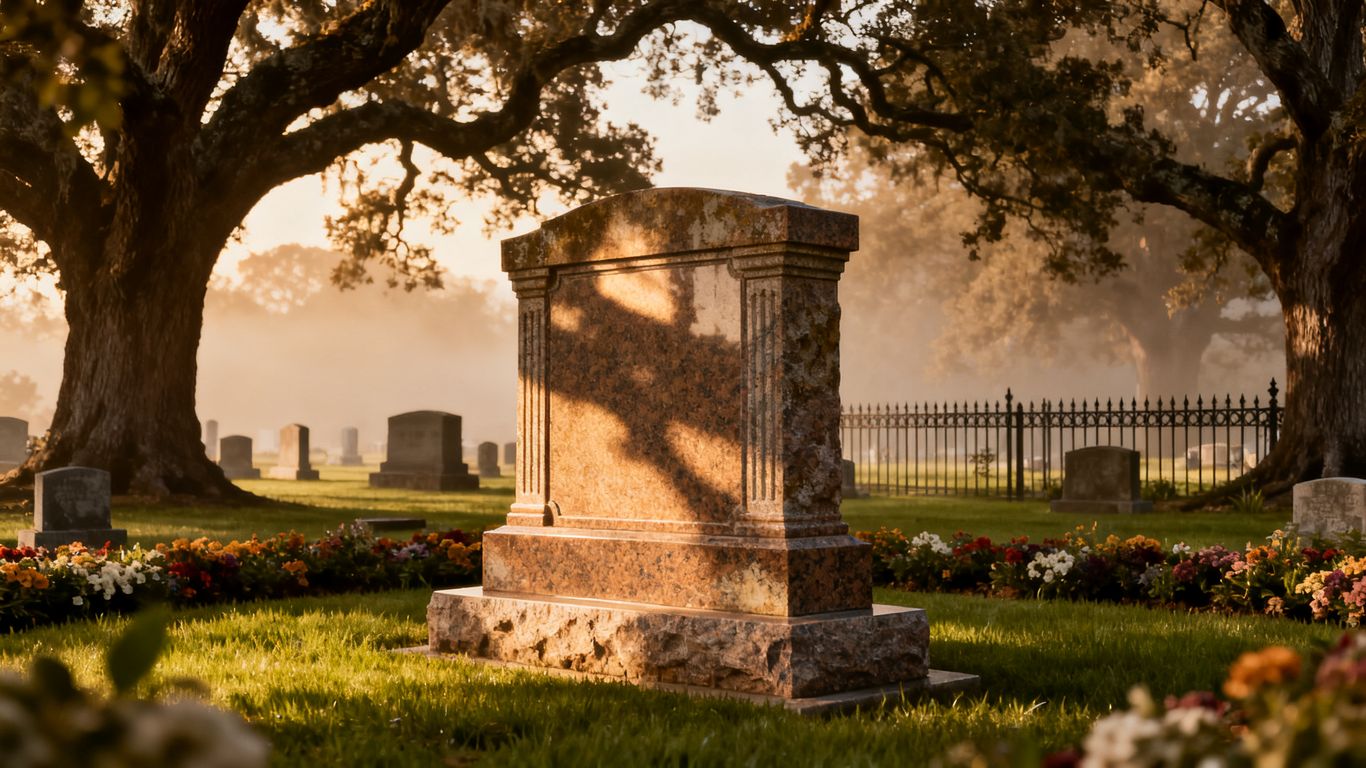
The choice of material is the foundation upon which every other aspect of the memorial is built. From the classic beauty of various granite shades to the subtle warmth of bronze, each option carries unique characteristics regarding texture and longevity.
Comparing granite colors and finishes for personalized headstones
Granite is the gold standard for outdoor monuments due to its hardness and variety. You can explore high-quality options through our custom grave markers and headstones to see how different stones, from deep black to traditional gray, interact with light and texture. Polished finishes offer a sleek, reflective surface, while honed finishes provide a softer, matte look that can be very striking.
Considerations for bronze markers in landscaped areas
Bronze markers are frequently preferred in cemeteries with specific design uniformity. They often sit flush with the ground, maintaining a clean look for the landscaping staff while offering an elegant, timeless appearance. These are often used as alternatives to traditional stone when specific site aesthetics are required.
Weather resistance and long-term stone degradation
Some stones are inherently more resistant to external degradation than others, keeping their character intact for generations. For example, premium marble and travertine may require specific placement strategies to retain their detail in harsher climates compared to high-density granite choices.
Incorporating symbolism and themes for personalization
Personalization transforms a standard monument into a narrative. Clear Stream Monuments focuses on unique life stories, ensuring that every element—from the choice of font to the inclusion of specific imagery—serves as a reflection of the individual. This collaborative process allows you to weave the story of a loved one directly into the stone.
Selecting motifs that represent personal hobbies and life interests
You can include carvings that highlight specific passions, such as music, travel, or nature. These motifs act as a visual shorthand for a lifetime of interests, making the location more meaningful for those who stop to visit and remember.
Communicating legacy through religious or cultural iconography
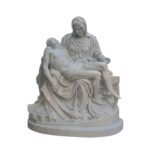
Many families choose to incorporate traditional symbols, such as doves, crosses, angel designs, or cultural designs that carry deep meaning. These symbols often provide comfort and help ground the memorial in the individual’s core beliefs and heritage. Ensuring these are precisely rendered is essential for honoring the legacy accurately. Some families instead choose a standalone religious statue, such as a saint or Mary, as part of the memorial design.
Drafting meaningful epitaphs and personal quotes
An epitaph acts as the final message left to the world. Taking the time to craft a sentiment that truly resonates avoids generic phrasing and instead leaves a thoughtful, authentic mark that honors the person’s character.
Selecting the right monument style and size
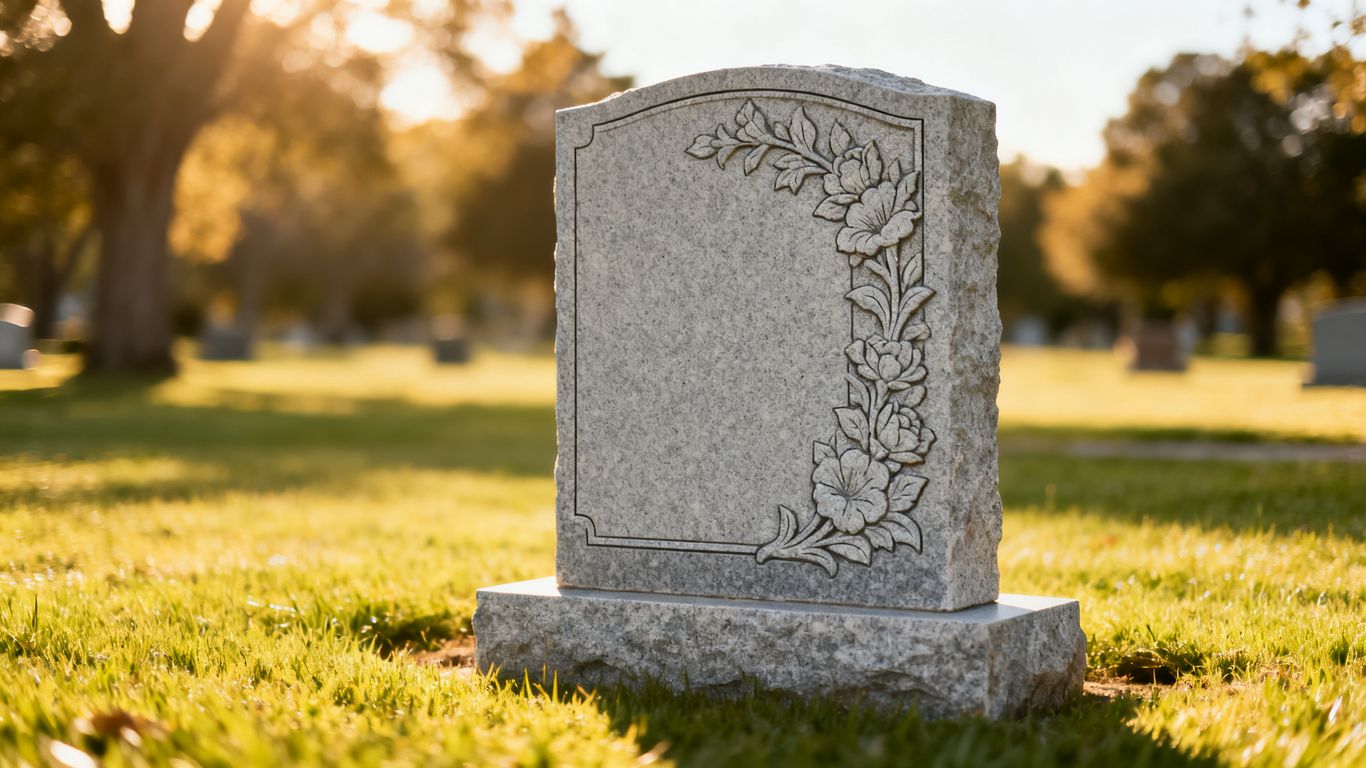
Choosing the physical format of the monument involves considering both your personal taste and the regulations that define what is allowed on the plot. Sometimes, the upright monuments and flat markers permitted depend on the section of the cemetery you have selected.
Differentiating between upright monuments and flat markers
Upright monuments, like those found in our upright headstone collection, provide a classic vertical presence, while flat markers are discrete and integrated into the ground. Choosing between these involves determining both your visual preference and the specific rules of the cemetery:
| Monument Type | Verticality | Visibility | Maintenance Level |
|---|---|---|---|
| Upright Headstone | High | Eminent | Moderate |
| Slant Marker | Medium | Notable | Low to Moderate |
| Flat Marker | Low | Minimal | Low |
Each style has pros and cons depending on where you reside and how you plan to manage the gravesite. A professional consultant can help you compare these styles based on your chosen lot.
Choosing a footprint based on specific plot dimensions
The dimensions of your plot will dictate the allowable width and length of your headstone. It is vital to measure the space with the cemetery management team to ensure that your preferred monument size fits comfortably within the foundation specifications.
Design considerations for companion versus individual headstones
When planning for two people, companion markers offer a way to unify two lives on one stone. Whether you opt for a shared design or individual markers linked by theme, Clear Stream Monuments provides expert support to ensure the layout remains balanced and legible.
Integrating laser etching and custom imagery
Clear Stream Monuments offers high-fidelity laser etching that allows for an incredible level of detail. This technology makes it possible to recreate photos or intricate scenes directly onto the surface of the granite, capturing a level of specificity that traditional methods sometimes struggle to match.
Benefits of laser-etched portraits versus traditional sandblasting
Laser etching is best suited for dark granites where the contrast provides a photographic-quality finish. While sandblasting produces bold, deep-cut lettering that is highly readable, laser work brings a softer, more emotional quality to portraits, which is often deeply valued by families.
Selecting high-resolution photos for accurate reproduction
The quality of the final image depends largely on the clarity and resolution of the source photo. High-resolution images allow for better conversion into a format that can be permanently etched into the stone, ensuring the reproduction is as accurate as possible to the original memory.
Options for custom backgrounds and scenic engravings
Beyond portraits, you can have landscapes, religious scenes, or hobby-related backgrounds etched onto the granite. These scenes add a personal atmosphere to the monument, turning it into a beautiful, panoramic tribute that honors where the loved one felt most at home.
Navigating cemetery regulations and local requirements
Before settling on a design, it is essential to open a dialogue with the cemetery staff. Each property has its own set of rules regarding foundation requirements, size limitations, and even specific colors or styles that may be allowed in certain sections.
Understanding size restrictions and foundation specifications
A cemetery might dictate the minimum and maximum height or the width of a marker to maintain overall groundskeeping efficiency. These rules are usually in place to ensure that the site remains navigable for maintenance crews and uniform for all families.
Checking cemetery policies on permitted personalization
While aesthetic expression is encouraged, some cemeteries have constraints on how much personal imagery or specific materials can be used. Checking these policies early helps you avoid designs that might later be rejected during the approval process, so prioritizing simplicity during the planning phase pays off.
Coordinating professional installation with cemetery management
Professional installation is mandatory for structural stability and legal compliance. By working with a premium quality headstone provider like Clear Stream Monuments who understands local protocols, you ensure that the entire process—from shipment to final placement—is handled safely and respectfully.
Conclusion
Creating a memorial is a final, significant act of love that requires patience and careful consideration of personal wishes. Our step-by-step custom design guide and layout ideas can help with the next steps. By focusing on durable materials, thoughtful symbols, and clear communication with cemetery management, you can design a beautiful and lasting tribute. Finding affordable grave markers that meet your quality expectations creates an honorable space where the story of your loved one can be remembered by family and friends for years to come.
Frequently Asked Questions
What is the typical timeframe for a headstone to be manufactured and installed?
A memorial usually takes several months to design, engrave, and be ready for placement after final approval from the cemetery. Complex custom imagery or specialized shipping requirements can sometimes extend this period, but most providers strive for completion within a few months of the initial order.
How frequently should a granite headstone be cleaned?
Most granite memorials do not require frequent cleaning to stay in good condition. A light cleaning with mild soap, water, and a soft cloth once or twice a year is typically sufficient to remove debris or light organic buildup. Avoid using harsh chemicals or abrasive brushes that could damage the stone’s finish over time.
Can I add information to an existing headstone later?
Yes, it is often possible to add dates or names to an existing stone using onsite engraving technology. A technician can visit the cemetery and add the necessary text without needing to remove the headstone from its foundation, provided the stone is in good condition.
What do I do if my cemetery has very strict rules on marker styles?
If your cemetery requires specific uniform markers, it is best to ask for their exact specifications before looking at designs. You can usually find creative ways to personalize these through font choices, epitaphs, or ceramic photographs that fit within the allowed dimensions.
Are there different types of foundations for headstones?
Yes, foundations are often concrete or stone slabs that sit beneath the monument to prevent it from shifting or sinking into the ground. The cemetery will usually specify the dimensions of the required foundation, which must be installed prior to the monument arriving on-site.
How do I prepare for a consultation with a memorial designer?
It is often helpful to bring any photos, design ideas, or names and dates that you know will be included. Think about what represented the life of your loved one, as the designer can then offer suggestions on motifs and lettering styles that best align with those memories.
How does the location of the grave affect my choice of material?
Graves located in areas with severe weather, high humidity, or heavy landscaping equipment traffic may need more durable stone options. Talking to a specialist about the specific site conditions ensures that you choose a material that will stand up to the local environment and maintain its look with minimal effort.
If you are ready to choose a headstone that honors your loved one, our team is here to guide you through the process with care and empathy.