Angel Headstones: Meaning, Styles, and What to Consider
August 15, 2026 • Clear Stream Monuments • 8 min read
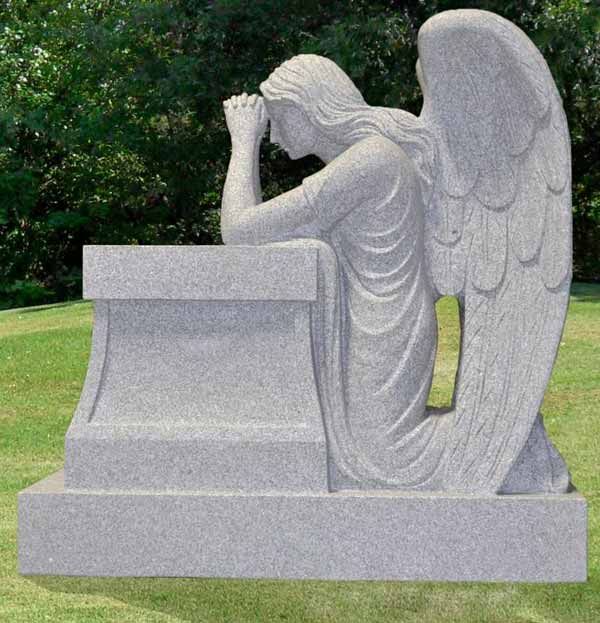
An angel figure carved or sculpted into a headstone is one of the most recognizable ways families choose to mark a grave. The image carries centuries of meaning: protection, grief, faith, and the idea of a soul being carried somewhere gentler. If you’re considering an angel memorial for someone you’ve lost, it helps to understand what the different poses and styles actually represent before you settle on one, since the design you choose says something specific, even if you didn’t set out to make a statement.
Key Takeaways
- Angel headstones carry different meanings depending on the pose. Weeping angels represent grief and mourning, while standing or guardian angels represent protection and watchfulness.
- Cherub-style angels are traditionally associated with children’s graves, though the imagery is also chosen for adults when a family wants a gentler, more youthful tone.
- Angel designs range from small carved reliefs to full standing statues on a pedestal, so the format you choose affects both the visual presence and the space it needs on the plot.
- Most cemeteries have rules about statuary height, footprint, and material. Confirm these before finalizing a design rather than after.
What Angel Headstones Symbolize
Angel imagery on graves isn’t a single symbol with one fixed meaning. The pose, expression, and posture of the figure all shift what the memorial is meant to say, and families often choose a specific style because it matches something they want to express about the person or the loss itself.
Guardian and protective imagery
A standing or watchful angel, often shown with wings extended or hands folded, is traditionally read as a guardian figure, a presence watching over the grave and, by extension, over the people who visit it. This is one of the more common choices for a family memorial or a parent’s grave, where the idea of ongoing protection feels appropriate.
Weeping angels and grief
A weeping or grieving angel, typically shown seated, leaning, or with a lowered head, is one of the most direct ways to represent mourning itself rather than just remembrance. Families sometimes choose this pose specifically because it acknowledges the grief openly, rather than presenting only a peaceful or comforting image.
Cherubs and children’s memorials
Cherub-style angels, usually depicted as small children or infants, have long been associated with the graves of children. The imagery isn’t exclusively used this way, but it remains one of the more common and recognizable choices for a young child’s memorial, and some families choose it for that reason alone.
For readers who want a deeper look at how this symbolism developed, Memorials.com’s guide to weeping angel and religious headstone designs covers the history and variations in more detail.
Common Angel Headstone Styles
Angel memorials aren’t a single product. They range from a small carved detail on an otherwise standard headstone to a full sculpted statue that becomes the memorial itself, similar in spirit to how a carved tree design can range from a subtle etched detail to the centerpiece of the stone. Here are the general categories families typically choose between.
Standing and pedestal angels
A full standing angel figure, often mounted on its own base or pedestal, is the most visually prominent option. It works well as a central family monument or for a single grave where the family wants the angel to be the primary focal point rather than a detail. Clear Stream’s Standing Angel with Pedestal Headstone is an example of this format. For cremation memorialization, a separate statue-pairing base with built-in niche capacity is also available.
Kneeling and praying angels
Kneeling or praying poses read as more intimate and reflective than a standing figure, and they’re a common choice when a family wants the memorial to feel like a moment of devotion rather than a monument. The Praying Angel 1 Headstone and similar kneeling designs fall into this category.
Weeping and grieving angels
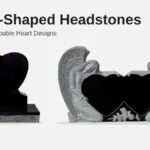
These designs show the angel in a posture of mourning, seated, leaning against the stone, or with a lowered head, usually chosen specifically for the emotional honesty of the pose discussed above. The Weeping Angel Heart Headstone combines this pose with a heart element, a common pairing for a personal, romantic, or family loss.
Angels with hearts, flowers, or clouds
Angel figures are frequently combined with other symbolic elements: a heart for love, flowers for a life well-lived, or clouds to suggest the figure is already at rest. The Reclining Angel Heart 3 Headstone and Angel Lying on Clouds Headstone are two examples of how these combinations work in practice.
Named and themed angel designs
Some angel memorials are given a specific identity or theme rather than just a pose. The Angel of Hope Statue is one example: a standalone sculpted statue, available in several heights, rather than a headstone with an inscription area. It can work well as its own memorial piece or alongside a separate inscribed marker.
Who an Angel Memorial May Be Appropriate For
Angel imagery is broad enough to suit a range of situations, but it tends to resonate most clearly in a few specific circumstances: a child’s grave, where cherub styles are traditional; a sudden or difficult loss, where a weeping angel can acknowledge the grief directly; a matriarch or family figure, where a guardian or protective pose fits the role they played; or simply a family that finds comfort in the imagery itself, independent of any specific symbolism.
Angels appear across several faith traditions in different forms, but the imagery is most closely associated with Christian memorial art specifically. If the person you’re memorializing followed a tradition where angel imagery isn’t customary, it’s worth discussing with family or clergy before committing to the design, rather than assuming it will be universally appropriate. Families considering other religious figures, including saints or statues of Mary, can also explore religious cemetery statue options before choosing a design.
Granite, Finish, and Personalization Considerations
An angel design is typically either sculpted in the round (a full three-dimensional figure) or carved in relief against the stone’s surface. Sculpted figures show more detail and depth but require a larger, thicker piece of granite. Relief carvings keep the traditional headstone footprint while still incorporating the angel imagery, which can be the better fit if the cemetery has size restrictions or the family prefers a more conventional shape.
As with any granite memorial, the finish affects how the carved detail reads over time. A polished surface creates strong contrast around the figure’s edges, while a honed or natural finish gives a softer, less reflective look. If you’re weighing finish and color options more broadly, Georgia granite headstones covers durability and color choices that apply to any design, including an angel figure.
Personalization on an angel memorial usually goes beyond the figure itself. The inscription, dates, and any additional symbols or wording are still the most personal part of the piece. Personalizing a headstone covers how those decisions come together in more detail.
Cemetery Considerations for Statuary
Statuary and sculpted memorials are more likely to run into cemetery restrictions than a flat or low-profile marker. Many cemeteries limit the height, footprint, or type of monument allowed in a given section, and some restrict standing statues to specific areas of the grounds entirely. Before committing to a design, especially a full standing or pedestal-mounted angel, confirm the cemetery’s written rules for statuary specifically, not just their general headstone guidelines, since the two aren’t always the same. Selecting a headstone that fits cemetery rules walks through the general process of confirming these details.
Choosing the Right Angel Memorial
A few practical questions can help narrow the decision once the symbolism and format feel right:
- Does the cemetery allow standing statuary, or does the plot call for a relief-carved design instead?
- Is the angel meant to be the primary focal point of the memorial, or a detail alongside a more traditional headstone shape?
- Does the pose, guardian, weeping, praying, or cherub, genuinely match what the family wants the memorial to express?
- How much space does the plot allow for the base or pedestal, if a full sculpted figure is being considered?
Because sculpted and relief carving work varies in complexity, timelines for an angel memorial can run longer than a standard flat marker. What’s included in a headstone purchase covers how design complexity factors into the overall process, and the step-by-step custom headstone design guide walks through the proofing and approval stages that apply to a sculpted piece like this.
Conclusion
An angel headstone can carry real, specific meaning: protection, grief, faith, or the memory of a child, depending on the pose and style a family chooses. Taking the time to understand what a design actually represents, and confirming it fits the cemetery’s rules for statuary, helps make sure the finished memorial says what it’s meant to say. For more design and personalization guidance, browse Clear Stream’s other design and personalization articles.
Frequently Asked Questions
Are angel headstones only used for children?
No. Cherub-style angels are traditionally associated with children’s graves, but standing, praying, and guardian angel designs are chosen for people of any age. The pose you select is what carries most of the specific meaning, not the angel motif alone.
If you’re ready to talk through angel memorial options for your family, reach out to Clear Stream Monuments to start the conversation.