
Guidelines for Companion Headstones in Cemeteries
June 15, 2026 • Clear Stream Monuments • 8 min read
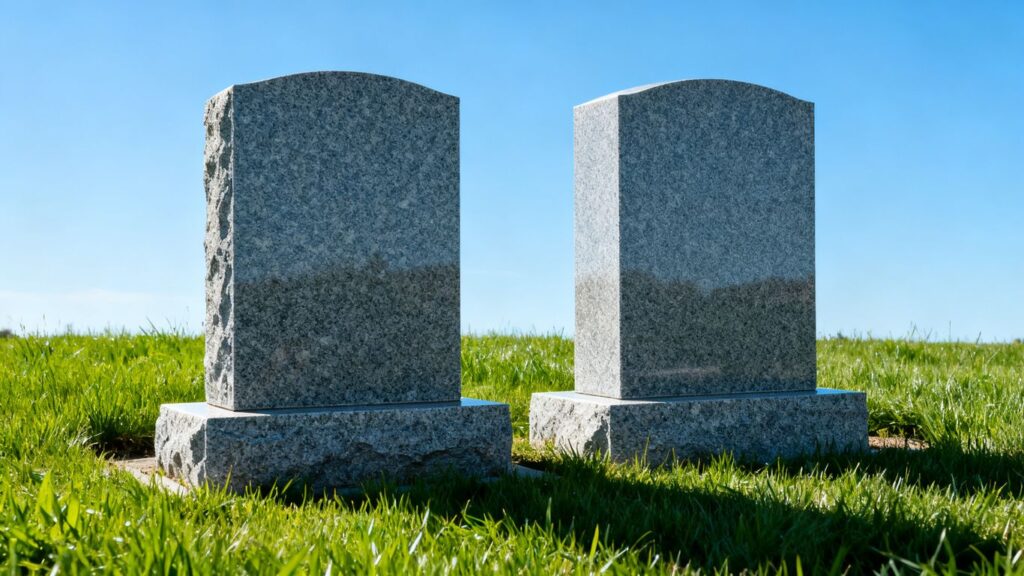
When planning a companion headstone, knowing the rules upfront saves time and prevents headaches. Here are the main things to keep in mind:
Key Takeaways
- Always check with the cemetery office for their specific companion headstone rules on size, materials, and design before you order anything.
- Companion headstones are usually wider than single ones to fit two names, but there are still limits you need to know.
- Using approved materials and hiring licensed installers helps make sure your headstone is installed correctly and follows all regulations.
Understanding Companion Headstone Rules
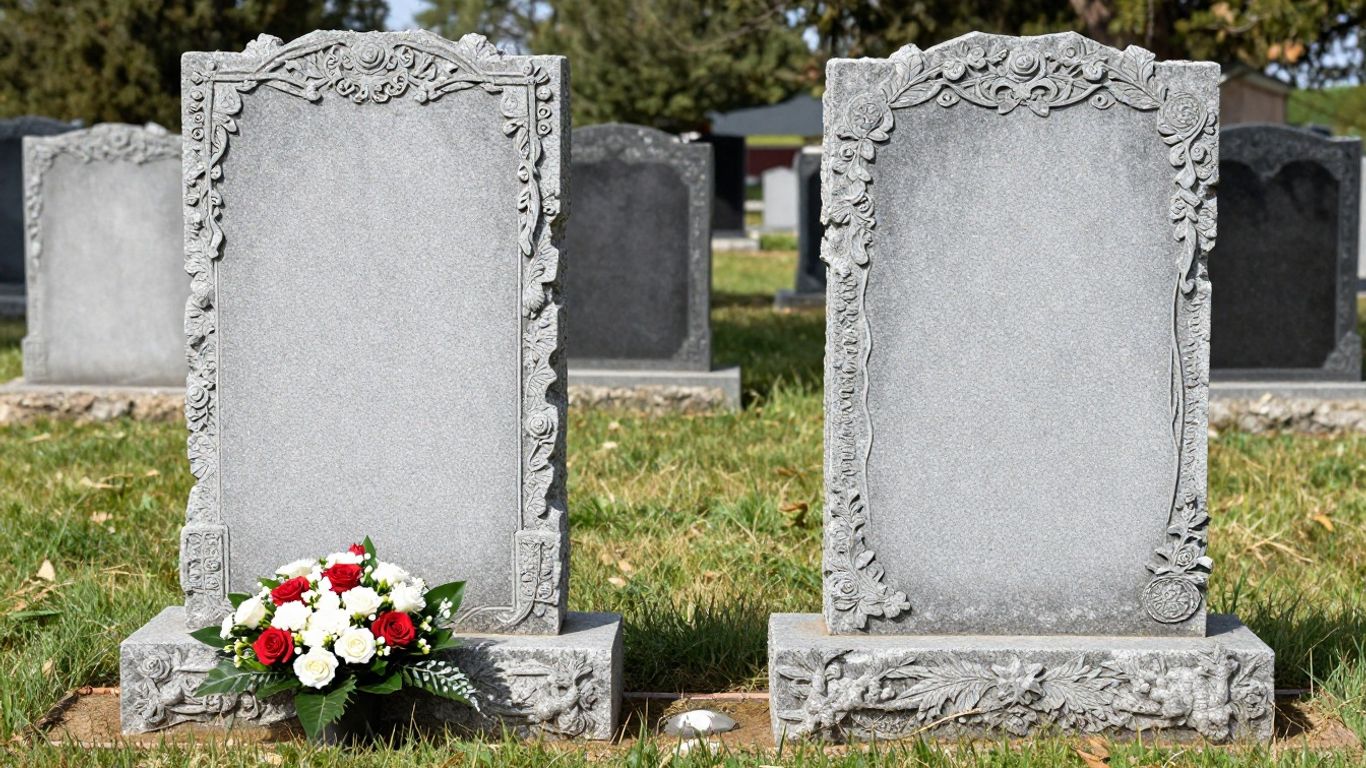
When planning a memorial for two, a companion headstone offers a unified and often more economical way to honor a shared life. These markers are designed to sit on a double plot, symbolizing the enduring connection between individuals. Before you get too far into the design process, it’s really important to check with the cemetery about their specific rules. Every cemetery has its own set of guidelines, and these can affect everything from the size of the stone to the materials you can use.
Navigating Size and Dimension Restrictions for Double Plots
Cemeteries set limits on headstone dimensions for practical reasons. They need to keep the grounds looking neat, make sure lawn care equipment can get around easily, and prevent stones from becoming a safety hazard. For companion plots, these dimensions are usually a bit more generous than for single plots to accommodate two sets of names and dates.
Here’s a general idea of what you might see, but always confirm with your specific cemetery:
| Plot Type | Typical Max Dimensions (Height x Width x Thickness) | Notes |
|---|---|---|
| Companion/Double | ~24–48 inches x 36–48 inches x 6–12 inches | Wider for two names; check centerline rules |
It’s not just about the overall size, either. Some cemeteries have rules about how much of the plot the headstone can cover or how far it can extend from the centerline. Getting these measurements right from the start can save a lot of headaches later on.
Always get the cemetery’s written regulations before you order anything. This prevents misunderstandings and ensures your chosen memorial will be approved for installation.
Material Choices for Lasting Memorials
When it comes to materials, granite and bronze are the most common choices for companion headstones. They’re popular because they hold up well against the weather and require relatively little upkeep over the years. Granite comes in a wide variety of colors, allowing for different looks, while bronze offers a classic, distinguished appearance.
- Granite: Durable, weather-resistant, and available in many colors and patterns. It can be polished to a high sheen or left with a more natural finish.
- Bronze: Often mounted on a granite base, bronze memorials are known for their longevity and classic look. They are cast with raised lettering and designs.
- Other Materials: While less common for companion headstones, some cemeteries might allow marble or other natural stones, though these often require more maintenance.
Choosing the right material is a big part of creating a memorial that will last for generations. It’s worth discussing the pros and cons of each with a monument professional to see what best fits your needs and the cemetery’s requirements. You can find more information on different materials and their characteristics on pages about headstone materials.
Local Cemetery Regulations for Memorials
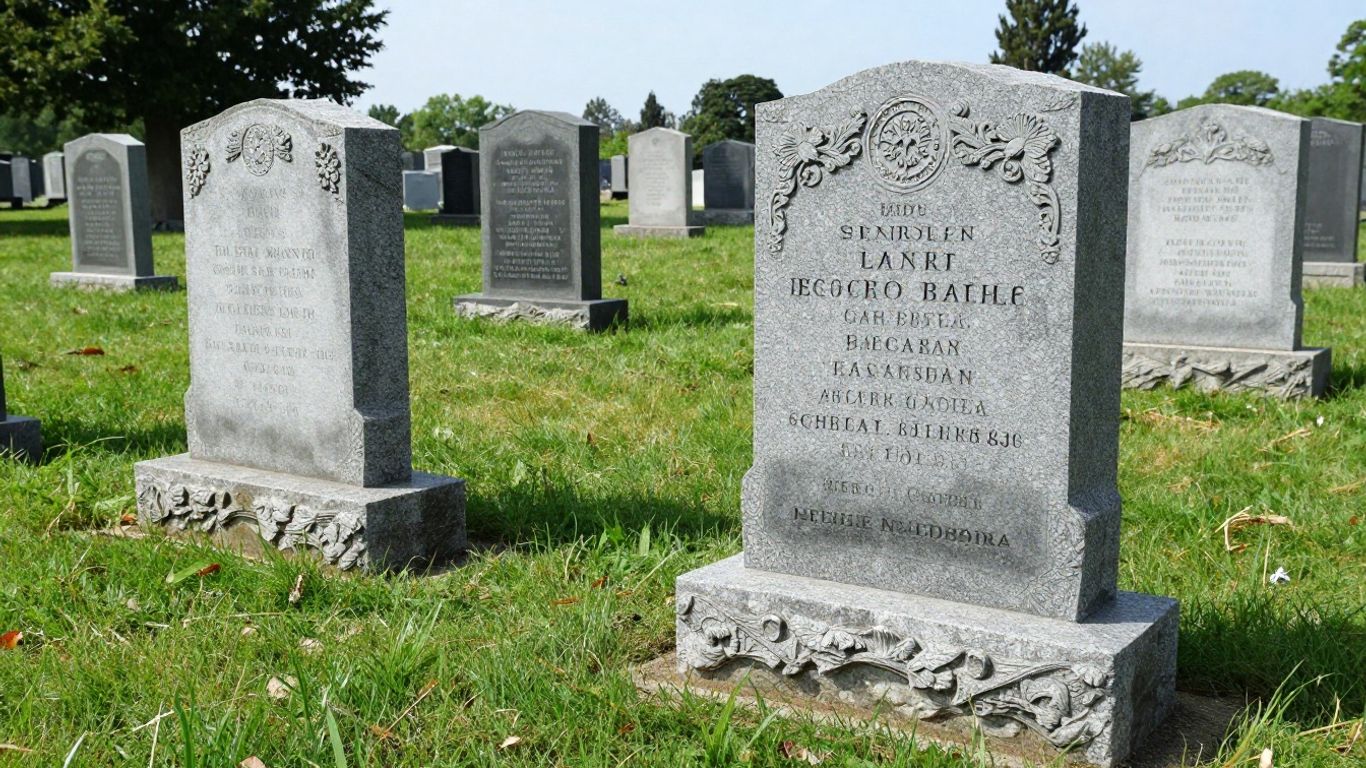
When planning a companion headstone, it’s really important to get familiar with the specific rules your chosen cemetery has in place. These aren’t just suggestions; they’re official guidelines designed to keep the grounds looking orderly and to make sure memorials are safe and easy to care for. Ignoring these rules can lead to unexpected costs or even the need to replace a monument.
Design and Engraving Guidelines for Personalization
Most cemeteries have specific ideas about what looks good and what’s practical for their grounds. This covers everything from the words you can put on the stone to any pictures or symbols. You’ll want to get a copy of the cemetery’s official rulebook before you even start thinking about designs.
Here are some common things to look out for:
- Inscription Limits: Cemeteries often limit how long an epitaph can be. This is to keep the text readable and to make sure there’s enough space for other important details. Think about keeping your message concise and meaningful.
- Symbol and Image Restrictions: While many cemeteries allow common religious symbols like crosses or Stars of David, they usually have rules about their size and where they can be placed. Custom artwork or photos, like porcelain insets or laser-etched images, might need special approval and must be installed in a way that protects them from the weather.
- Content Restrictions: Generally, cemeteries prohibit any language that’s offensive, commercial, or political. The goal is to maintain a respectful atmosphere for everyone.
- Decorative Additions: Things like flower vases, solar lights, or small statues might be allowed, but often only specific types or during certain times of the year. Some places have strict rules about what can be placed around the headstone to help with grounds maintenance.
It’s always best to ask for a written copy of the cemetery’s policies. They might even have examples of acceptable designs or wording to help you out. This proactive step can save a lot of headaches down the road.
Installation Requirements and Professional Assistance
Getting a headstone put in place isn’t usually a DIY job. Cemeteries have strict procedures to ensure the monument is stable, safe, and properly set.
- Authorization: You’ll typically need to get approval from the cemetery office before any installation can begin. This often involves submitting your chosen design and details about the monument.
- Foundation: A proper foundation is key. Cemeteries will specify what kind of base is required, whether it’s a concrete pad, poured footings, or a granite plinth. This depends on the size of the headstone and the local soil conditions.
- Professional Installers: Most cemeteries require that installation be done by a licensed and insured professional. This ensures the job is done correctly and safely. Trying to install it yourself could lead to fines or the cemetery refusing to place the monument.
Working with a reputable monument provider, like Caldwell Monument, can simplify this process. They understand the local regulations and can handle the coordination with the cemetery, making sure everything is done according to their standards. They can also help you choose materials and designs that meet all the cemetery’s requirements from the start.
Every cemetery has its own set of rules about what you can place on a grave. These rules, often called Local Cemetery Regulations for Memorials, help keep the cemetery looking nice and make sure everything is safe. It’s important to know these rules before you choose a memorial, so you don’t run into any problems. We can help you understand these guidelines and find the perfect memorial that fits.
Conclusion
Figuring out cemetery rules for headstones and how they get put in can make things easier. By checking the size limits, picking the right materials, getting written okay, and working with good installers, you can skip common problems and make sure the memorial is just right. If you’re ready to start, check out our tough, customizable headstones and give us a call for help. We’ll help you make a tribute that honors your loved one and follows all the cemetery rules.
Frequently Asked Questions
What’s the biggest size a companion headstone can be?
Most cemeteries have limits for how big companion headstones can get. Typically, they can be around 36 to 48 inches wide and maybe up to 48 inches tall. But, every cemetery is different, so you really need to ask them directly about their exact rules before you pick one out. It’s better to know for sure than to guess.
Can I pick any material for a companion headstone?
Not always. Cemeteries usually prefer materials that last a long time and look good, like granite or bronze. They might have a list of approved materials. Some places might even have specific rules about what color or type of stone is allowed to keep things looking uniform. Always ask what they accept.
Do I need a special permit to put in a companion headstone?
Yes, usually. Most cemeteries require some paperwork or a permit before a headstone can be put in. They often want to make sure it meets all their rules and is installed safely. It’s also common for them to require a professional installer, not just anyone doing it themselves. Getting all the paperwork done ahead of time is super important.